
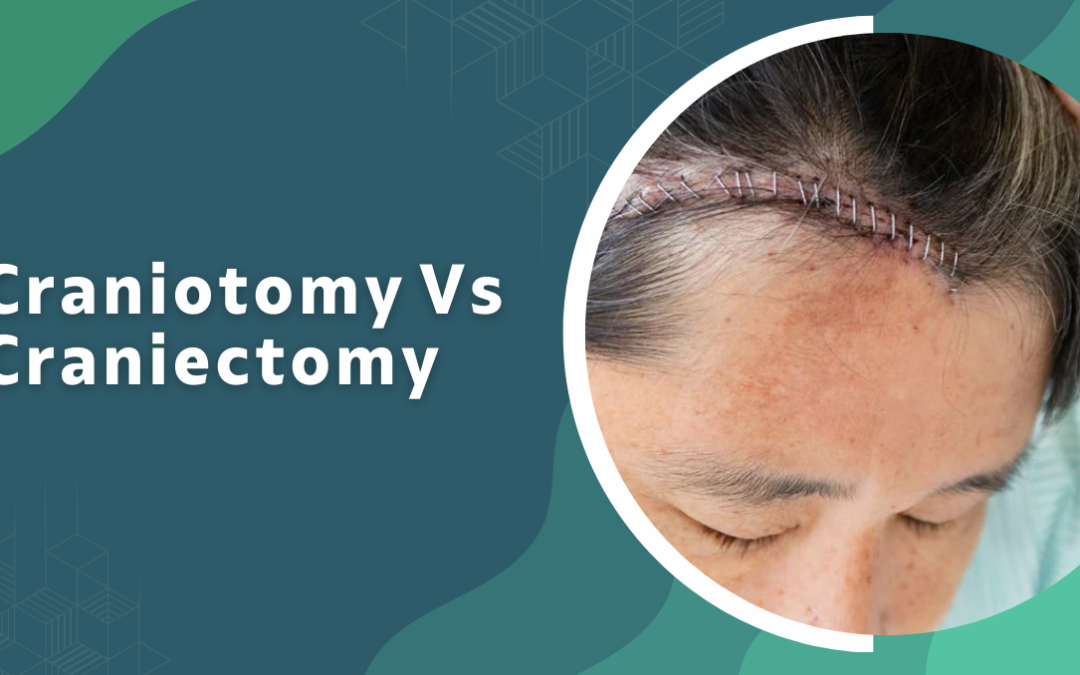
Brain surgery can sound intimidating, but modern neurosurgical techniques allow doctors to treat many complex brain conditions safely and effectively. Two commonly performed procedures are craniotomy and craniectomy, both of which involve opening the skull to access the brain. Although the procedures may sound similar, they serve different purposes and are used in different medical situations.
“Many people assume craniotomy and craniectomy are the same procedure, but they are performed for different medical reasons. Choosing the right procedure depends on the patient’s condition and the urgency of treatment.”
Understanding Brain Surgery Procedures
Craniotomy and craniectomy are neurosurgical procedures that involve opening the skull to access the brain. While both techniques allow surgeons to treat serious brain conditions, the key difference lies in how the skull bone is handled during surgery. Understanding these procedures helps patients and families better understand treatment options in neurological emergencies and planned brain surgeries.
What is a Craniotomy?
Procedure Overview
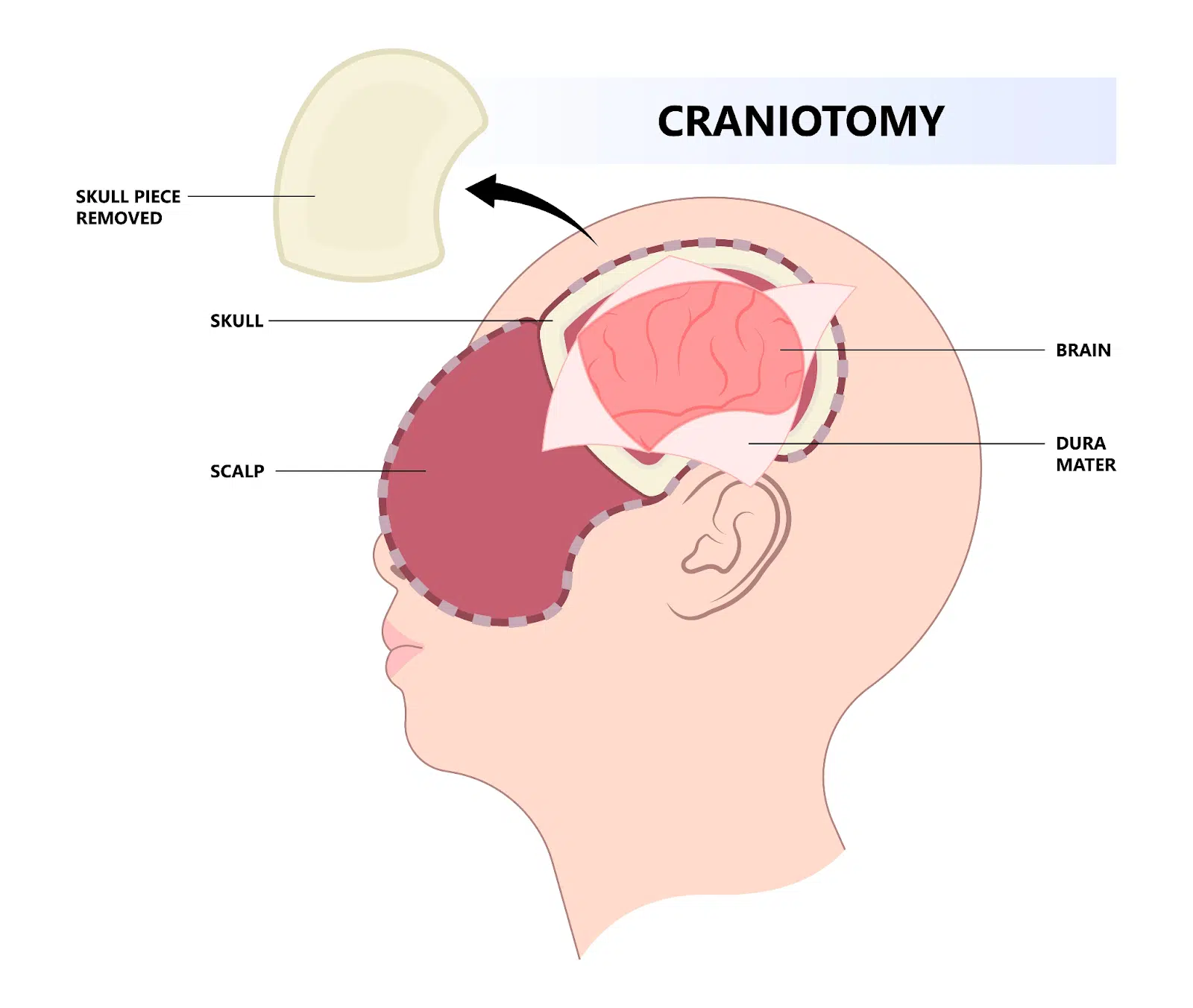
A craniotomy is a surgical procedure in which a portion of the skull, known as a bone flap, is temporarily removed to access the brain. Once the surgical procedure inside the brain is completed, the bone flap is placed back in its original position and secured using small plates or screws.
This procedure allows neurosurgeons to treat a variety of brain conditions while maintaining the natural structure of the skull.
Common Reasons for Craniotomy
- Brain tumorremoval
- Aneurysm clipping
- Arteriovenous malformation (AVM) treatment
- Brain biopsy
- Epilepsy surgery
Need Expert Evaluation for Brain Surgery?
Neurological conditions often require accurate diagnosis and careful surgical planning. Early consultation with an experienced neurosurgeon can help determine the most suitable treatment option for your condition.
What is a Craniectomy?
Procedure Overview
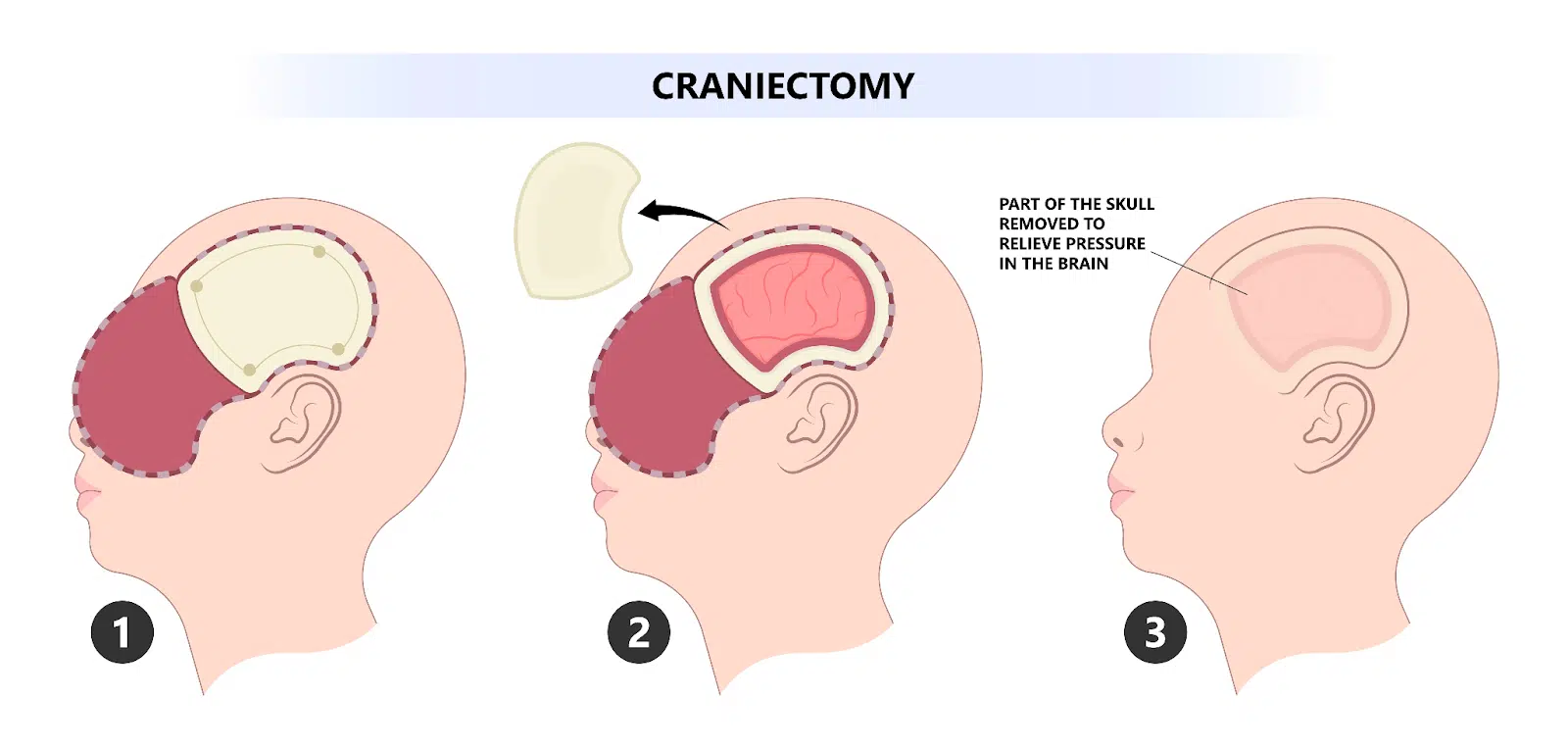
A craniectomy is a surgical procedure in which a portion of the skull is removed but not immediately replaced. This allows the brain to expand safely in situations where severe swelling occurs.
By leaving the skull bone off temporarily, the surgery helps reduce pressure inside the skull and prevents further brain damage.
Common Reasons for Craniectomy
- Severe traumatic brain injury
- Stroke causing brain swelling
- Brain hemorrhage
- Increased intracranial pressure
Experiencing Symptoms Related to Brain Pressure?
Persistent headaches, confusion, sudden neurological changes, or head injuries should never be ignored. Timely medical evaluation is essential to prevent complications related to brain swelling or increased pressure.
Key Differences Between Craniotomy and Craniectomy
Feature | Craniotomy | Craniectomy |
Bone flap | Removed and replaced after surgery | Removed and not replaced immediately |
Purpose | Access the brain for surgical treatment | Relieve pressure caused by brain swelling |
Common conditions | Tumors, aneurysms, epilepsy | Trauma, stroke swelling |
Follow-up surgery | Usually not required | Often followed by cranioplasty |
When Do Doctors Choose Craniotomy or Craniectomy?
The choice between craniotomy and craniectomy depends on the patient’s medical condition and the severity of the situation.
- A craniotomy is typically performed when surgeons need temporary access to treat a brain condition such as a tumor or aneurysm. Once the treatment is completed, the skull bone is restored.
- A craniectomy, on the other hand, is usually performed in emergency situations where the brain is severely swollen and relieving pressure quickly is critical to saving brain function.
Understanding the Right Brain Surgery for Your Condition
Every neurological condition requires an individualized surgical plan based on imaging findings, symptoms, and the patient’s overall health.
Recovery After Craniotomy Vs Craniectomy
Recovery time can vary depending on the condition being treated and the patient’s overall health.
Patients who undergo a craniotomy typically recover once the surgical site heals and neurological monitoring is completed.
In cases of craniectomy, patients may require a second procedure called cranioplasty, where the removed portion of the skull is reconstructed or replaced after brain swelling subsides.
Rehabilitation, neurological observation, and follow-up care are important components of recovery for both procedures.
“Post-surgical monitoring, rehabilitation, and follow-up imaging are vital parts of recovery. With proper care, many patients can return to normal life after brain surgery.”
Frequently Asked Questions
What is the main difference between craniotomy and craniectomy?
The main difference is that in a craniotomy, the skull bone is removed temporarily and replaced after surgery, whereas in a craniectomy, the bone is removed and left off temporarily to allow the brain to swell safely.
Is craniectomy always followed by another surgery?
Yes, most craniectomy procedures are followed by cranioplasty, where the removed skull bone or a synthetic implant is used to reconstruct the skull.
Which surgery is more common?
Craniotomy is more commonly performed for planned brain surgeries such as tumor removal or aneurysm repair. Craniectomy is usually done in emergency situations involving brain swelling.
How long does recovery take after brain surgery?
Recovery can vary widely depending on the condition treated, but many patients require several weeks to months of monitoring, rehabilitation, and follow-up care.
When should someone consult a neurosurgeon?
If a patient experiences persistent headaches, seizures, neurological symptoms, or head injury, consulting a Neurosurgeon in Mumbai like Dr. Gurneet Singh Sawhney can help determine the correct diagnosis and treatment plan.
