
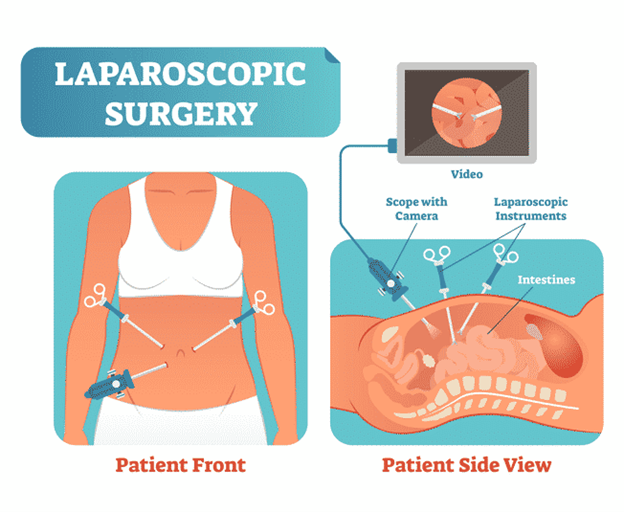
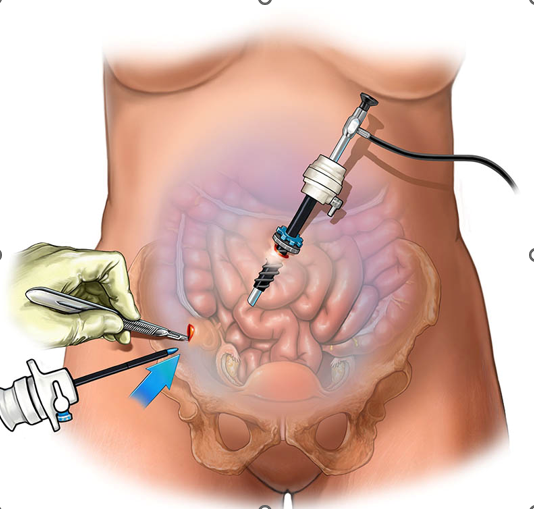
Laparoscopy, or minimally invasive surgery, is a technique that offers many advantages over traditional surgeries. It is employed widely to treat different medical conditions such as gallbladder removal, hernia repair, and even obesity treatments. The main difference between laparoscopic and open surgery is the use of small incisions and special equipment over the latter, thus leading to less pain and faster recovery for most patients.
Still, after surgery it is not rare for the patients to suffer somewhat of a discomfort even several weeks later. In case you are having pain three weeks after your laparoscopy, it is very important to find out whether it is just a normal part of the recovery or a symptom of some serious issue.
Through this blog post, we will discuss the possible causes of pain after three weeks of laparoscopy, the signs that should not be overlooked, and give you recovery tips that will help ease your discomfort and accelerate your healing.
If you’re feeling concerned about pain after laparoscopic surgery, book an appointment with Dr. Harsh Sheth, a leading expert in minimally invasive surgery, to assess your condition.
Cases of persistent pain three weeks after laparoscopy
It is a fact that generally laparoscopic surgery causes a major part of the discomfort to go away in about a week at the most, but there are cases when minor pain lasts longer. It is normal that at around three weeks post surgery, a person still feels a little pain or tenderness at the cut spots or in the tummy area. Here are some reasons:
Post-Surgical Healing
After every kind of surgery including laparoscopy the body goes through a healing process. This process includes tissues repairing themselves and scar tissue possibly forming for the first time. With that, in addition to normal post-operation discomfort, mild pain or discomfort in the area where surgical procedures were performed, incisions were made, or instruments were inserted can result if the tissues are healing in and around those places where surgical procedures were done.
Gas Pains
An issue of laparoscopy is the abdominal inflation for surgical purposes with carbon dioxide gas that causes the most discomfort after the procedure. Creating space for the surgeon is one of the reasons for inflating the abdomen. The unfortunate side effect is that some of that gas remains stuck in the body leading to shoulder pain, bloating, and discomfort happening for several weeks after surgery.
Muscle Soreness
A laparoscopic procedure involves the positioning of the body in a way that gives the surgeon access to the abdomen, which may stretch or even cause slight strain to the muscles during the process. Consequently, the person may feel soreness or aching for a few weeks afterward.
Inflammation
Although laparoscopy is a minimally invasive procedure, there are still chances that the tissues will be inflamed which is a major cause of prolonged discomfort particularly if there were any complications during the procedure.
Pain Three Weeks After Laparoscopy: Causes and Symptoms
Healing is a normal body process and usually causes some pain, but if it is a long-time affair or very intense, it could signal a problem in the particular zone. Pain that is beyond the normal soreness requires understanding the cause as a necessity.
Infection
The infection could be either at the site of incision or deeper in the abdomen and the pain might become more severe with time. Infected person might have also:
• Cuts that are red or more warm to the touch
• Pus or discharge from the cuts
• Fever
• Pain that becomes stronger and slowly goes to other places
Hernia Formation
A minor hernia can arise at the site of the incision during the surgical procedure. The patient might then experience pain and a sense of swelling in the area. If the hernias don’t go away by themselves, surgery might be needed.
Internal Bleeding
Adhesions
Abdominal surgery results in scarring which can lead to the formation of adhesions, which are fibrous bands of tissue that may cause organs to become stuck together. Hence, pain, cramps, and discomfort may occur particularly if the adhesions are in the intestine.
Bowel Obstruction
A bowel obstruction is a condition where the intestines completely lose their ability to push through either food or waste. This results in severe abdominal pain, bloating, and vomiting. While it is not a very common complication it might still happen after surgeries like laparotomy.
If you’re concerned about any of the symptoms above, contact Dr. Harsh Sheth to ensure there are no serious complications after your laparoscopic surgery.
Warning Signs You Should Not Ignore
While some pain is normal, there are warning signs that indicate a more serious problem. If you experience any of the following symptoms, you should seek medical attention immediately:
Severe or Sharp Pain
Pain that doesn’t improve or worsens over time could indicate a complication like infection or internal bleeding.
High Fever
A fever over 101°F (38.3°C) may signal an infection.
Persistent Vomiting
Vomiting that lasts for more than 24 hours or is accompanied by intense abdominal pain could be a sign of bowel obstruction or another serious issue.
Redness, Swelling, or Discharge at Incision Sites
These could be signs of infection.
These could be signs of infection.
If you experience bloating and can’t pass gas or have a bowel movement, this could indicate a bowel obstruction.
Recovery Tips for Pain After Laparoscopy
While some discomfort after laparoscopy is expected, there are steps you can take to ease your pain and promote faster recovery:
1. Follow Post-Surgery Instructions
Your surgeon will provide detailed post-operative instructions. It’s important to follow them carefully to avoid complications. These may include guidelines on:
- Diet: Eating soft, easy-to-digest foods to minimize stress on the digestive system.
- Activity Level: Avoiding strenuous activities or lifting heavy objects while the body heals.
Pain Management
Over-the-Counter Pain Relievers: Medications can help manage mild pain.
Prescription Pain Medication: If your pain is more severe, your surgeon may prescribe stronger pain medications for short-term use.
Rest and Hydration
Getting plenty of rest and staying well-hydrated are crucial for the healing process. Dehydration can worsen pain and delay recovery.
Gentle Movement
While it’s essential to rest, light movements like short walks can improve circulation, reduce gas buildup, and help with the overall recovery process.
Massage and Heat Therapy
Gentle abdominal massage and applying a heating pad to the affected area can help relieve tension and reduce gas-related discomfort.
Need personalized advice on managing post-laparoscopy pain? Consult with Dr. Harsh Sheth for expert recovery tips tailored to your needs.
Conclusion
Pain three weeks after laparoscopy is common in many cases, but it’s important to be aware of the potential causes and warning signs that could indicate complications. While some discomfort during the recovery process is normal, paying attention to your symptoms and following recovery tips can help ensure a smoother, quicker healing process.
If you’re experiencing pain or discomfort that doesn’t seem right, or if you’re simply unsure about your recovery progress, don’t hesitate to reach out to Bariatric Surgeon in Mumbai – Dr. Harsh Sheth, an expert in minimally invasive surgery, for personalized care and guidance.
Frequently Asked Questions
1. Is it normal to have pain three weeks after laparoscopy?
Some discomfort is normal as the body heals, but if pain is severe or persistent, it could indicate a complication.
2. How can I tell if my pain is a sign of infection?
Look out for redness, swelling, or discharge from the incision site, along with fever and worsening pain.
3. Can I exercise three weeks after laparoscopy?
It’s important to follow your surgeon’s instructions. Light movement is encouraged, but avoid strenuous activities until cleared by your doctor.
4. What should I do if I feel severe pain after laparoscopy?
If you experience severe pain, high fever, or other concerning symptoms, seek medical attention immediately.
5. How long does it take to recover fully after laparoscopy?
Most people recover within a few weeks, but full recovery may take 4 to 6 weeks depending on the surgery and individual healing.
