
One of the most frequently performed surgeries is gall bladder removal, or cholecystectomy. The vast majority of people recover rapidly and return to normal life within a few weeks. However, many patients have a startling realization once their first phase of recovery is complete: the numbers on the scale begin to increase. This makes them question: Is it normal to gain weight following gallbladder surgery, or is something wrong?
The simple answer is that there are changes in weight that can be mild and are often related to the changes in digestion, diet and activity levels after this surgery, rather than the surgery itself. Once you know what’s going on, it will be a lot easier to keep the weight off and maintain your health for years to come.
“Removing the gallbladder doesn’t directly make you gain weight. What usually changes is how the body digests fat and how patients adjust their eating habits afterwards.”
— Dr. Harsh Sheth, Bariatric and Laparoscopic Surgeon in Mumbai
Noticing unexplained weight gain after gallbladder surgery? Consult an experienced laparoscopic surgeon in Mumbai for a proper evaluation and personalised guidance.
How Gallbladder Removal Affects Digestion and Weight
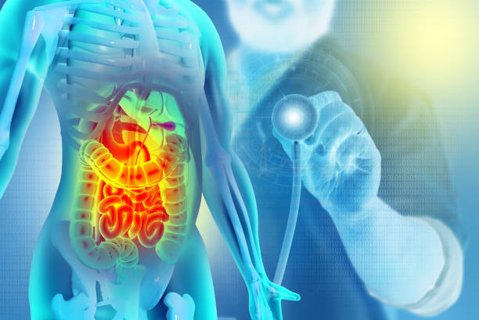
It helps to understand what the gallbladder does. It’s a small, pear-shaped organ just under the liver that stores and concentrates bile, the fluid your liver makes to break down fats. After a fatty meal, the gallbladder releases a surge of bile into the small intestine to help absorb it. Once the gallbladder is removed, the liver keeps making bile, but it now flows in continuously rather than in timed bursts.
This change in bile delivery explains most digestive shifts after surgery. Fat may be absorbed a little differently, which can affect how often you eat, how full you feel, and how well you tolerate fatty foods. Reassuringly, people live healthy lives without a gallbladder, and digestion adjusts well over time.
Weight gain itself isn’t a direct result of the surgery. It’s usually a mix of indirect factors. Once the pain that used to limit eating is gone, richer or fattier meals become easier to enjoy in larger amounts. At the same time, reduced activity during recovery, paired with the same or higher calorie intake, can quietly add up. So gallbladder surgery doesn’t cause weight gain on its own, but it can set the stage for it if habits aren’t managed.
Common Reasons for Weight Gain After Surgery
There are just a few commonplace things to blame for most weight gain after gallbladder removal. If they are recognised early, they are much easier to deal with.
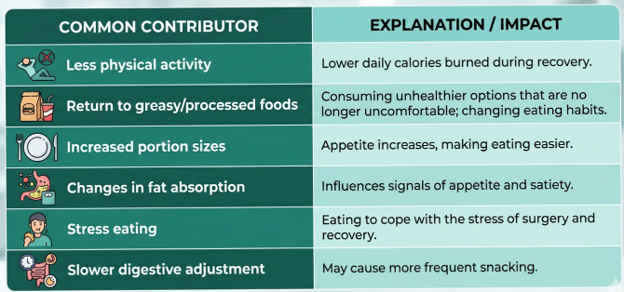
These are all conditions that can be easily controlled by making a few simple changes to one’s lifestyle. The reason people gain weight following surgery isn’t always because of the surgical procedure, but more because of their patterns after surgery.
How to Prevent Weight Gain After Gallbladder Removal
The bright side is that it is quite possible to keep a healthy weight post-gallbladder surgery. These are a few conscientious habits that can make a big difference in maintaining your normal routine.
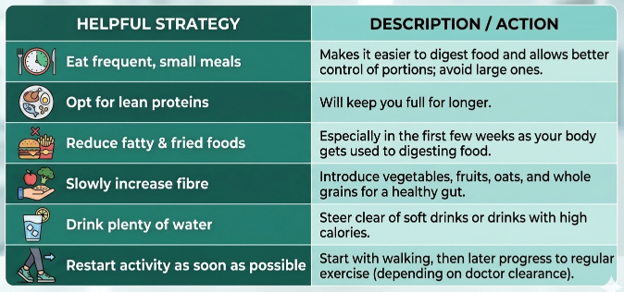
“The patients who do best after gallbladder removal are the ones who treat it as an opportunity to build better eating and activity habits, not a reason to abandon them.”
Noticing unexplained weight gain after gallbladder surgery? Consult an experienced laparoscopic surgeon in Mumbai for a proper evaluation and personalised guidance.
How Long Does Post-Surgery Weight Gain Last?
For most people, any weight changes after gallbladder removal are temporary and tied to the early recovery phase. As the digestive system adapts, usually within a few weeks to a few months, appetite and digestion typically settle back into a comfortable rhythm.
The first one to three months are often the most noticeable, since this is when activity is reduced, and the body is still adjusting to the new pattern of bile flow. Once you return to your normal routine and resume regular exercise, weight usually stabilises on its own.
That said, weight gain that continues steadily beyond a few months is rarely caused by the surgery itself. At that point, it’s almost always related to long-term diet and lifestyle patterns. If you find the weight climbing despite reasonable eating and activity, it’s worth reviewing your habits and consulting your doctor to rule out any other underlying issues.
When to Consult a Doctor
Mild weight changes are usually harmless, but some symptoms deserve a proper look, especially if they affect daily life.
See a doctor if you have:
- Rapid or unexplained weight gain despite healthy eating and activity
- Persistent abdominal pain, bloating, or discomfort after meals
- Ongoing diarrhoea or trouble digesting fatty foods past recovery
- Nausea, vomiting, or jaundice
- Lasting fatigue that won’t improve
These can point to bile flow or other digestive issues. Early evaluation sorts them out quickly.
Don’t ignore lingering symptoms after surgery. Schedule a consultation today for expert care.
Frequently Asked Questions
Will I gain weight after gallbladder removal?
Mild gain can happen, but it’s usually about diet, activity, and digestion, not the surgery. Healthy habits keep it in check.
Why am I hungrier after surgery?
Continuous bile flow and changed fat absorption affect fullness. Protein-rich meals help control appetite.
Can I eat normally without a gallbladder?
Yes, most people return to a regular diet within weeks. Just go easy on oily foods early on.
How do I avoid gaining weight?
Eat smaller frequent meals with protein and fibre, limit fatty foods, and stay active once cleared by your doctor.
Will I need a special diet for life?
No. Most patients eat normally again, though balanced habits support long-term health.
Disclaimer :
This blog is for educational and informational purposes only and should not be considered professional advice.
