

Ozempic and Mounjaro are both injectable prescription medications first developed for type 2 diabetes. They’ve become widely used for weight management, too. While they look similar on the surface, they work through different mechanisms and produce different results.
According to Dr. Harsh Sheth, Bariatric and Laparoscopic Surgeon in Mumbai, “These medications can deliver meaningful weight loss for the right patient, but they aren’t a substitute for evaluating whether someone needs surgical intervention for severe obesity.”
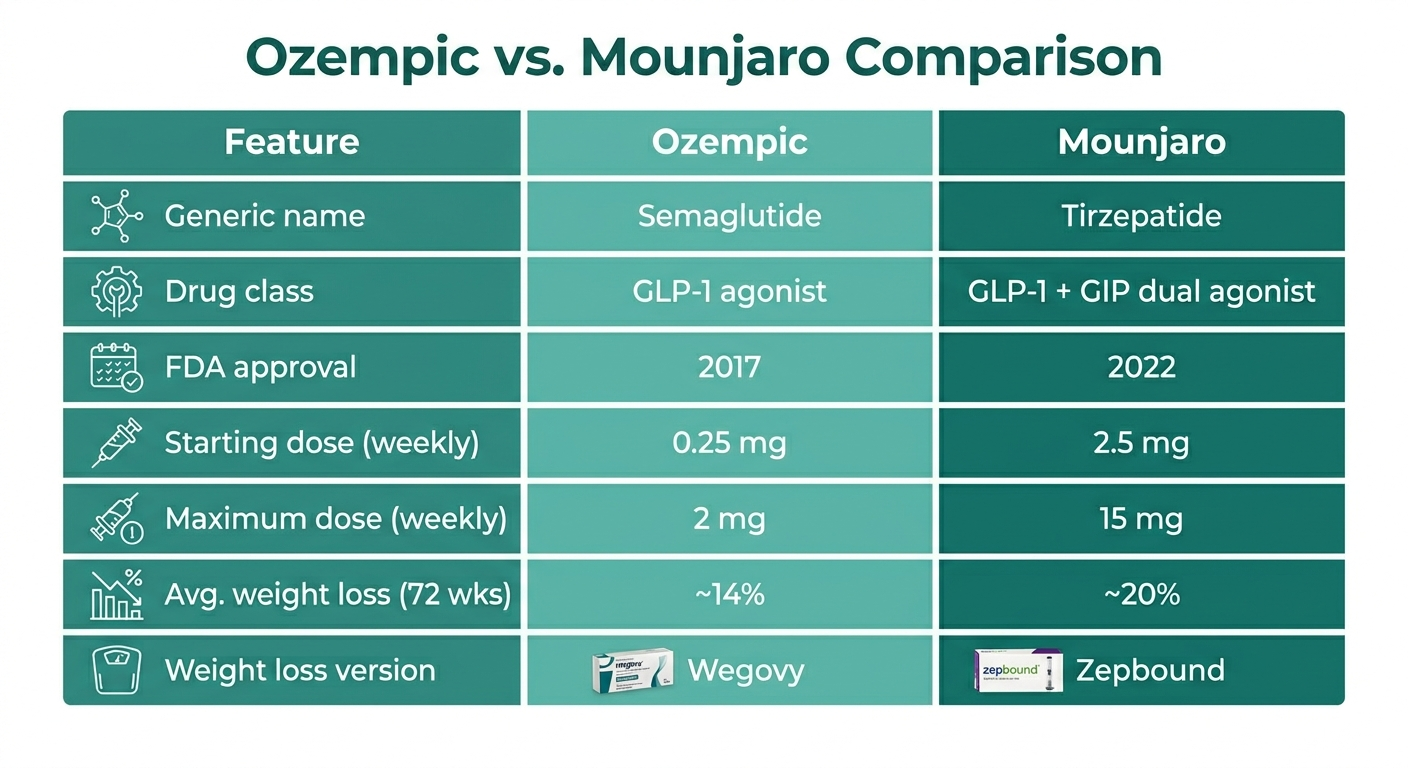
Ozempic is the brand name for semaglutide, made by Novo Nordisk. It was first approved by the FDA in 2017 for type 2 diabetes. The same molecule is sold as Wegovy for weight loss at higher doses. Mounjaro is the brand name for tirzepatide, made by Eli Lilly, approved by the FDA in 2022. Its weight loss counterpart is Zepbound. Both drugs are given as weekly subcutaneous injections, and both require a prescription.
Dosage and How They're Taken
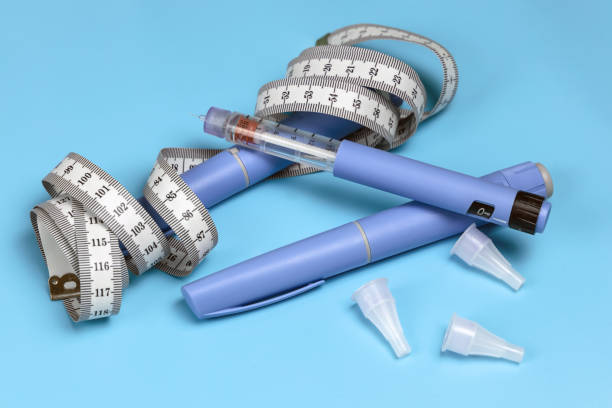
Both medications start low and titrate up over several weeks. Skipping this phase almost always triggers severe nausea.
Side Effects: Ozempic vs Mounjaro
These side effect profiles are very similar, owing to their action on GLP-1 receptors in the gut. Common side effects are nausea, vomiting, diarrhea, and constipation. Most are dose-dependent and will fade within the first month. Less common but more serious complications include pancreatitis, gall bladder issues, and bowel obstruction.
Who is a good candidate for using this treatment?
Ozempic suits patients with type 2 diabetes who require improved glycemic control, individuals preferring more safety information, and those who are unable to tolerate the increased strength of tirzepatide. If lifestyle changes are not effective and surgery is not yet a viable option, it is often a sensible first move.
Who is Mounjaro suitable for?
Mounjaro is suitable for individuals who are looking to lose weight more aggressively, individuals who have reached a weight loss plateau on semaglutide, and individuals with high insulin sensitivity. Notably, some patients respond dramatically to one drug and very little to the other. This can’t be reliably predicted in advance.
There is no right or wrong answer. Mounjaro yields more average weight loss. Ozempic has been proven to be safer in the long term and may be more available. These medications may not be sufficient for patients who have a BMI greater than 35 or obesity-related diseases such as sleep apnea or fatty liver disease. Even with these other options, bariatric surgery still yields the longest-lasting results of severe obesity and results in an average of 25 to 35% weight loss maintained over the years.

When to consult a doctor?
Self-prescribing these medications is risky. They can interact with other drugs and are contraindicated in pregnancy and certain thyroid or pancreatic conditions. Dr. Harsh Sheth advises consulting a specialist if lifestyle changes haven’t worked, your BMI is above 30, your type 2 diabetes is poorly controlled, or you’re considering surgery as a long-term option. A proper evaluation looks at metabolic profile, comorbidities, and goals. Medication alone isn’t a strategy. It’s one tool inside a broader plan.
Frequently Asked Questions
Can Ozempic and Mounjaro be taken together?
No, combining two GLP-1 agonists is not recommended due to overlapping mechanisms and increased side effect risk.
What happens if you stop taking these medications?
Most patients regain a significant portion of lost weight within a year of stopping treatment.
Are Ozempic and Mounjaro safe long-term?
Long-term data are still emerging, but current evidence supports multi-year use under medical supervision.
Can these drugs replace bariatric surgery?
Not for severe obesity. Surgery still produces more durable weight loss for patients with a BMI above 35.
