

Cholecystectomy (gall bladder removal) is a very common abdominal surgery at present. Most people report that it aids digestion or helps alleviate pain, but of course, one is asked, “What will happen to my liver if my gall bladder is removed?
The good news is that the liver continues to function normally. It still makes bile the same as before. But in some patients, there are digestive changes, and a few patients are affected by these digestive changes, which should be taken care of.
Dr. Harsh Sheth, Bariatric and Laparoscopic Surgeon in Mumbai, says that “When a gall bladder is removed, the liver continues to work, but it just releases the bile directly into the intestine, and most of the patients will adapt to it within a few weeks. If the symptoms do persist, then they should be checked.
Concerned about digestive changes after gallbladder surgery? Consult Dr. Harsh Sheth, an experienced Bariatric Surgeon in Mumbai, for a personalised evaluation.
What Happens to the Liver After Gallbladder Removal?
Bile is stored and concentrated in the gall bladder for release when you eat fatty foods. Once it’s gone, the liver will not have any function left, and it will simply dribble bile into the small intestine instead of squirting it out in a concentrated stream.
For most people, this change is a fluke. Some have noticed loose stools or mild bloating after rich meals, as bile is no longer scheduled to accompany fat. As the body adapts, this usually clears up, and surgery does not cause damage to the liver.
The Liver- Gallbladder Connection: How They Work Together
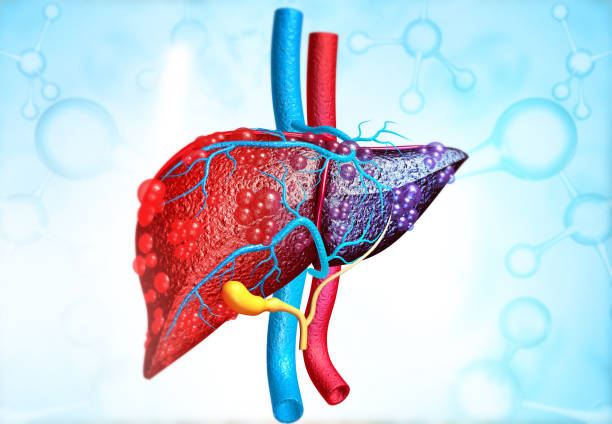
The liver and gall bladder are responsible for digestion. The liver produces bile, which helps the digestion of fat and the absorption of fat-soluble vitamins. It is stored and concentrated in the gall bladder and released when necessary via the bile ducts.
Plumbing remains in place, and the liver and bile ducts are tied to the intestine during gallbladder removal surgery. Only storage changes. That’s why it’s digestion that you’ll notice is different after surgery, rather than the liver.
Common Liver Problems After Gallbladder Removal
The following are the common liver problems after gall bladder removal.
Not many liver complications are real, but a few are to be known:
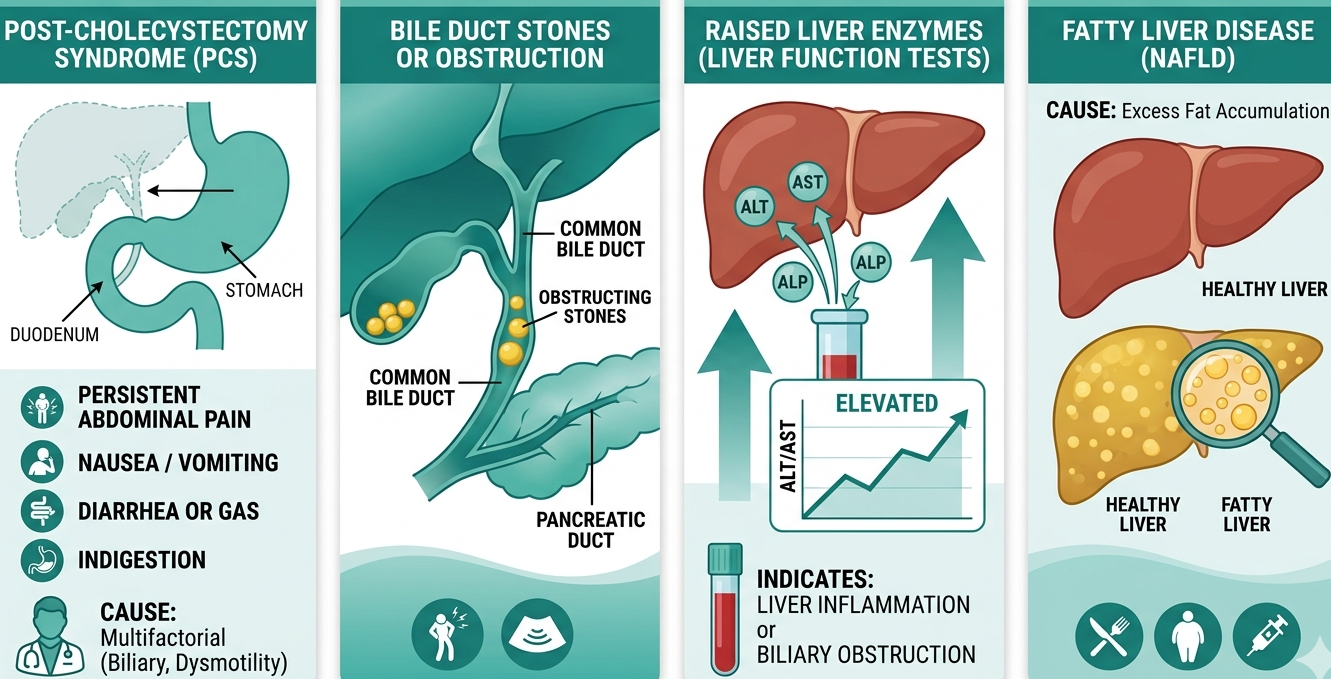
Post-Cholecystectomy Syndrome
Abdominal pain, indigestion, and sometimes jaundice are associated with the flow of bile, not with the liver. The stones or blockage of the bile duct is known as
Bile Duct Stones or Obstruction.
If not treated, stones can get stuck in or develop in the bile ducts, which impede the flow of bile, increasing liver enzymes.
Raised Liver Enzymes
After surgery, there may be temporary elevations, which should be examined for persistent elevations.
Fatty Liver Disease
A fatty liver disease will not be cured if it is present before the surgery. Even in those with obesity or metabolic problems, patients should be monitored.
Experiencing ongoing pain or jaundice after gallbladder removal? Book an evaluation with Dr. Harsh Sheth for an accurate diagnosis and safe treatment.
How Liver Function Is Diagnosed and Monitored
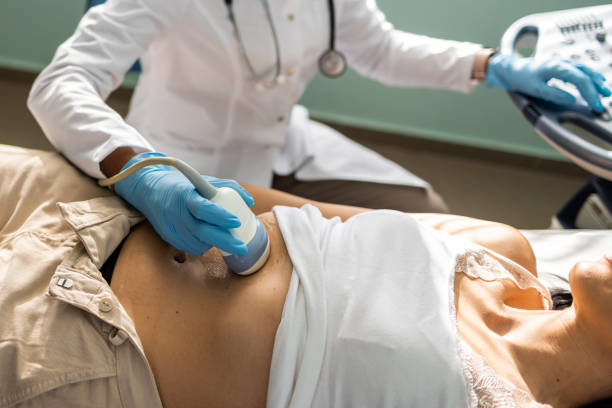
A few simple tests help if symptoms indicate a problem:
- Blood tests (Liver Function Tests – LFTs) to check levels of enzymes and bilirubin.
- Ultrasound: A non-invasive scan of the bile ducts and liver.
- MRCP: Detailed imaging to look for stones or blockages.
- Follow-up consultations: Particularly for patients with fatty liver or metabolic diseases.
Early testing can make problems easier to treat and can help to ease the anxiety of patients with symptoms that are a normal adaptation.
Liver Care After Surgery: What to Do and What to Watch For
Diet & Lifestyle Tips | Warning Signs You |
Eat smaller, more frequent | Yellowing of the |
Limit fried and fatty foods | Persistent or severe |
Prioritise lean protein, whole | Dark urine or pale, |
Stay hydrated and maintain | Ongoing nausea or vomiting |
Limit alcohol and | Fever with abdominal pain, |
The habits on the left support smooth recovery and long-term liver health. The signs on the right can indicate a bile duct obstruction or liver involvement and should be checked without delay.
When to See a Gastroenterologist in Mumbai
If symptoms persist beyond a few weeks or any warning sign appears, see a specialist rather than waiting.
“A patient who develops jaundice, persistent pain, or abnormal liver tests after gallbladder surgery should be assessed promptly,” says Dr. Harsh Sheth. “In most cases, the explanation is simple and manageable, but timely evaluation prevents small issues from becoming serious.”
Don’t ignore persistent symptoms after gallbladder removal. Schedule a consultation with Dr. Harsh Sheth today.
Frequently Asked Questions
1. Can gallbladder removal cause liver damage?
No. The liver still makes bile, but it does not get stored; it goes straight into the intestine.
2. Why do I have digestion problems after gallbladder surgery?
Bile is not produced during meals, and so there is a continuous flow of bile; there is some mild bloating and/or loose stool that settles over time.
3. Can fatty liver get worse after gallbladder removal?
It will not get any better if surgery is performed, but it will not get worse. Maintaining a healthy weight and eating a nutritious diet are important.
4. For how long are digestive changes present?
Most patients can adapt to the change in a couple of weeks to months. If symptoms continue, they should be evaluated.
5. What is the function of the liver checked after surgery?
Blood tests of liver function, ultrasound, and sometimes MRCP imaging.
6. When do I need to go to the doctor?
If you experience jaundice or pain, dark urine, pale stools, or fever and abdominal pain.

Trackbacks/Pingbacks