

Blogs
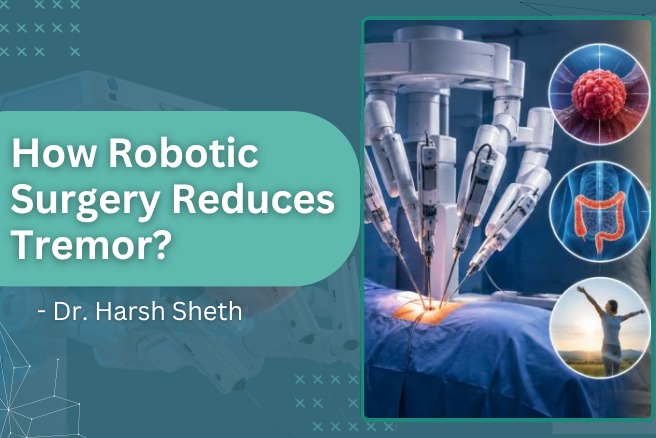
How Robotic Surgery Reduces Tremor in Complex GI Procedures
Robotic surgery lets a surgeon work with a steadier hand inside the abdomen. The console strips out the small natural tremor in the hands and turns each broad hand movement into a much finer one at the instrument tip. That matters in complex gastrointestinal...

Pregnancy After Gallbladder Removal: Is It Safe?
You've had your gallbladder removed, and now you're planning a baby. It's natural to wonder if the two go together. The short answer is yes. Pregnancy after gallbladder removal is safe for most women. The gallbladder only stores bile. It has nothing to do with your...
Inguinal Hernia in Men: When to Wait and When to Operate?
A small inguinal hernia that doesn’t hurt and slides back in easily can often be kept under observation. One that aches, grows or stays out usually needs surgery. In men, the weakness in the groin wall does not close by itself, so what really matters is timing, and an...
Pain After Cholecystectomy: Causes, Recovery, and When to Seek Help
You had your gallbladder taken out expecting relief. So when pain after cholecystectomy shows up instead, or worse, doesn't go away, it's natural to feel a little betrayed by your own body. Let's go through what's actually going on. "Patients often assume the...
Why Second Opinions in Surgery Are Not an Insult, They Are Smart?
Getting a second opinion before surgery is one of the most clinically validated things a patient can do. Studies consistently show that second opinions change the diagnosis or treatment plan in 10 to 62% of cases depending on the specialty. The gallbladder doesn't...

Can You Eat Normally After Gallbladder Removal?
After gallbladder removal, the majority of patients return to a normal diet within 4 to 6 weeks. The gallbladder stores bile, but it isn't required for digestion without it, bile flows directly into the small intestine rather than being released in concentrated...
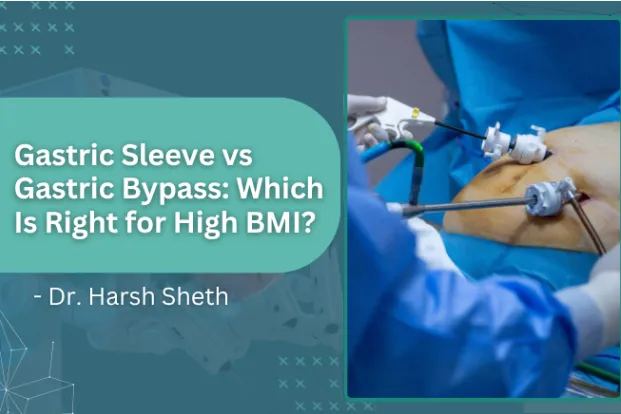
Gastric Sleeve vs Gastric Bypass: Which Is Right for High BMI?
Deciding between gastric sleeve surgery and gastric bypass surgery is not always easy. Both procedures can help individuals who are obese to see a substantial amount of weight loss and a better state of health due to their excess weight. They have distinct properties,...
Can You Drink Alcohol After Gallbladder Surgery? Timeline, Risks & Safe Guidelines
The gall bladder was the reservoir and concentrator for bile, which was released in a controlled manner after eating fatty foods. Once it is removed, bile is free to dribble continuously from the liver, through the intestine. This is a permanent change that means your...
What Happens to Your Hormones After Weight Loss Surgery?
Weight loss surgery shifts hormone levels within days, before most weight comes off. Ghrelin drops sharply after sleeve gastrectomy, reducing hunger almost immediately. Insulin sensitivity improves fast many type 2 diabetics see normal blood sugar within weeks. As fat...
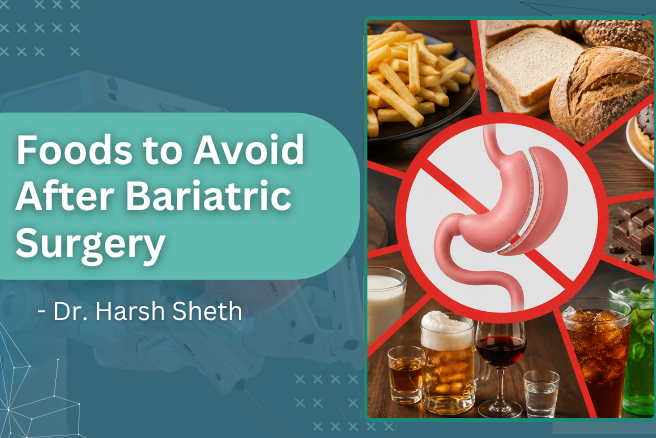
Which Foods Should You Avoid After Bariatric Surgery?
After bariatric surgery, the stomach can't process greasy, sugary, heavily seasoned, or fibrous foods the way it used to, and pushing them back too soon causes nausea, dumping syndrome, or nutrient loss over time. Fried foods slow healing and strain a pouch that's...