

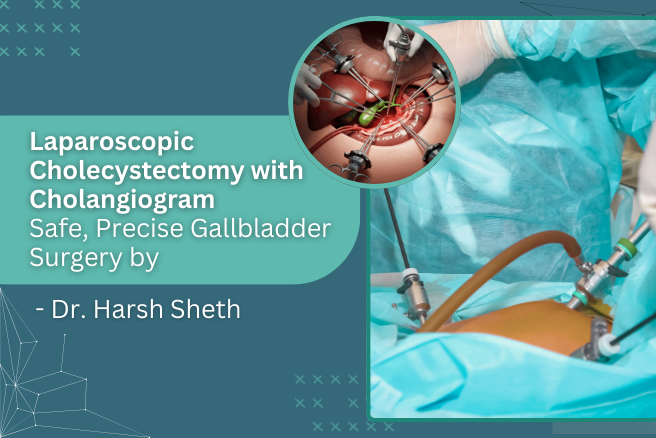
Gallbladder issues, including gallstones, inflammation, and other conditions, can cause significant discomfort and health complications. When non-invasive treatments fail, laparoscopic cholecystectomy, a minimally invasive procedure to remove the gallbladder, is often the recommended treatment. In some cases, a cholangiogram is performed alongside the surgery to evaluate the bile ducts for potential stones or blockages. Cholecystectomy and cholangiogram together yield a very efficient solution which not only shortens the recovery phase but also improves the results for the patients.
The affirmation of Dr. Harsh Sheth, who is a reputed laparoscopic surgery practitioner, states that “Laparoscopic cholecystectomy gives faster recovery, less pain, and small scars when compared to conventional open surgery.” His abundant and varied practice in these operations guarantees that the patients can expect top-class treatment combined with the utmost accuracy and safety.
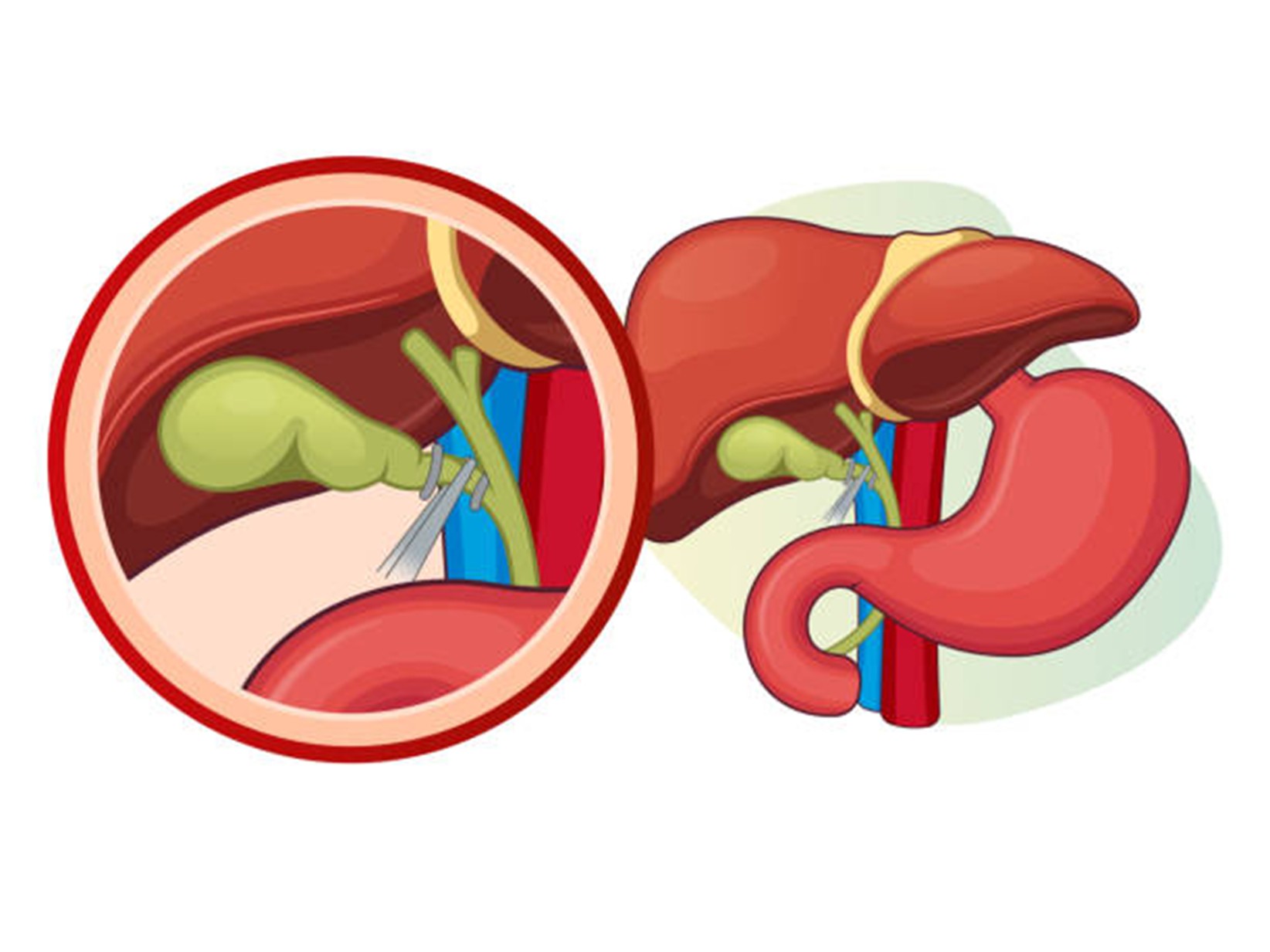
Dr. Harsh Sheth is a prominent laparoscopic and bariatric surgeon in Mumbai who has been working at the cutting edge of complex gastrointestinal issues for over ten years. He is well-known for his proficiency in minimally invasive techniques, namely laparoscopic cholecystectomy and cholangiogram, through which he makes the patients’ recovery quicker and less complicated.
What Is Laparoscopic Cholecystectomy?
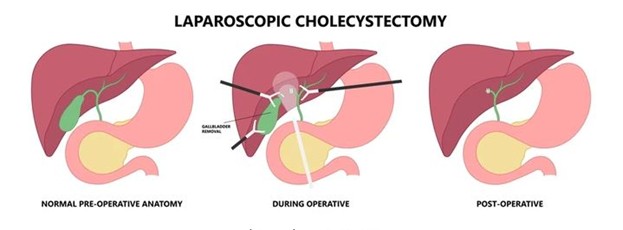
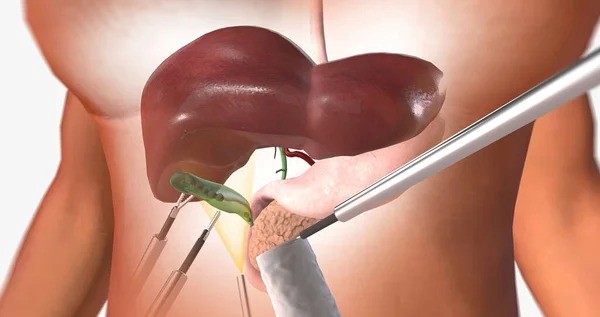
Laparoscopic cholecystectomy is one of the most advanced and least invasive ways for gallbladder removal. The upper abdomen is the site for several small cuts done during the surgery. A laparoscope, which is a very small camera, is introduced into the body to help the surgeon while taking out the gallbladder. This method is the most advantageous option compared to regular open surgery as it leads to decreased discomfort, barely visible scars, and quicker recovery. It is used primarily for treating diseases such as gallstones or cholecystitis (which is the swelling of the gallbladder).
The procedure typically takes about 1-2 hours, and patients usually go home the same day or the following day, depending on their health.
What Is a Cholangiogram?
A cholangiogram is an imaging process that helps diagnose the bile ducts thus used for visualization. A laparoscopic cholecystectomy might have a cholangiogram to examine the bile ducts for any blockages or stones. This is an imperative step as occasionally gallstones may be forced into the bile ducts leading to a blockage and resulting in a very serious condition like jaundice or pancreatitis.
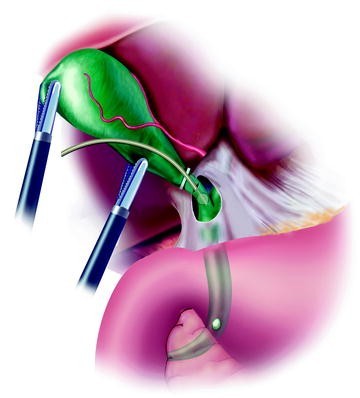
The process is performed by inserting a small tube (catheter) into the bile ducts during the operation and then injecting a special dye through it. The dye is made to visualize the bile ducts through X-ray imaging which is then performed to get detailed images. In case of any detection of stones or blockages, these are either removed or treated during the same surgery thus preventing future complications.
Benefits of Laparoscopic Cholecystectomy with Cholangiogram
- Minimally Invasive: Laparoscopic surgery involves small incisions, leading to less pain and scarring compared to traditional open surgery.
- Faster Recovery: Patients experience quicker recovery times and are often able to return to normal activities within a few days to weeks.
- Reduced Risk of Complications: The combination of laparoscopic cholecystectomy and cholangiogram reduces the risk of leaving stones or blockages in the bile ducts, which can lead to more severe issues.
- Better Visualization: The cholangiogram provides the physician with live, very clear imaging of the bile ducts thus accurate detection and correction of any troubles is guaranteed.
- Lower Hospital Stay: The patients who are treated with the non-invasive method can usually go back home the very same day or within 24 hours.
Dr. Harsh Sheth remarked, “The combination of advanced procedures such as laparoscopic cholecystectomy and cholangiogram ensures that gallbladder is successfully taken out whilst the patient’s health risks are minimized.”
Benefits of Laparoscopic Cholecystectomy with Cholangiogram
- Minimally Invasive: Laparoscopic surgery involves small incisions, leading to less pain and scarring compared to traditional open surgery.
- Faster Recovery: Patients experience quicker recovery times and are often able to return to normal activities within a few days to weeks.
- Reduced Risk of Complications: The combination of laparoscopic cholecystectomy and cholangiogram reduces the risk of leaving stones or blockages in the bile ducts, which can lead to more severe issues.
- Better Visualization: The cholangiogram provides the physician with live, very clear imaging of the bile ducts thus accurate detection and correction of any troubles is guaranteed.
- Lower Hospital Stay: The patients who are treated with the non-invasive method can usually go back home the very same day or within 24 hours.
Dr. Harsh Sheth remarked, “The combination of advanced procedures such as laparoscopic cholecystectomy and cholangiogram ensures that gallbladder is successfully taken out whilst the patient’s health risks are minimized.”
The Procedure: What to Expect
- Preoperative Preparation: The patient is given general anesthesia to ensure comfort throughout the surgery.
- Small Incisions: A few small incisions are made in the abdomen for the insertion of a laparoscope and other surgical instruments.
- Laparoscopic Surgery: The surgeon removes the gallbladder using the laparoscope and specialized instruments.
- Cholangiogram: If necessary, a cholangiogram is performed by injecting a contrast dye into the bile ducts, followed by X-rays to check for any blockages or stones.
- Final Steps: Once the gallbladder and any potential stones are removed, the incisions are closed, and the patient is moved to recovery.
Recovery After Laparoscopic Cholecystectomy with Cholangiogram
- Short Hospital Stay: Most patients spend just 1-2 days in the hospital after surgery.
- Minimal Pain: Pain is usually manageable with over-the-counter pain relievers, and most patients experience only mild discomfort.
- Dietary Changes: Patients may need to avoid fatty foods for a few weeks after the surgery to aid digestion.
- Return to Activities: Most patients can return to light activities within a week and more strenuous activities after 3-4 weeks.
- Follow-Up Appointments: Regular check-ups are necessary to monitor recovery and ensure no complications arise.
Why Choose Dr. Harsh Sheth?
Conclusion
Laparoscopic cholecystectomy with cholangiogram is the gold standard in treating gallbladder disorders, since the surgery is minimally invasive, leading to quicker patient recovery, less complications and overall better results. This combination of treatments can provide a long-lasting relief to a patient suffering from any kind of gallbladder issue, like seditious stones, inflammation or some other problem. When you choose Dr. Harsh Sheth, who has vast experience in advanced laparoscopic surgery, you are assured of receiving the topmost treatment.
Frequently Asked Questions
1. What is the recovery time after laparoscopic cholecystectomy with cholangiogram?
2. Is laparoscopic cholecystectomy safe?
3. Is a particular diet necessary to be followed after the operation?
4. Will I have scars after laparoscopic cholecystectomy?
