

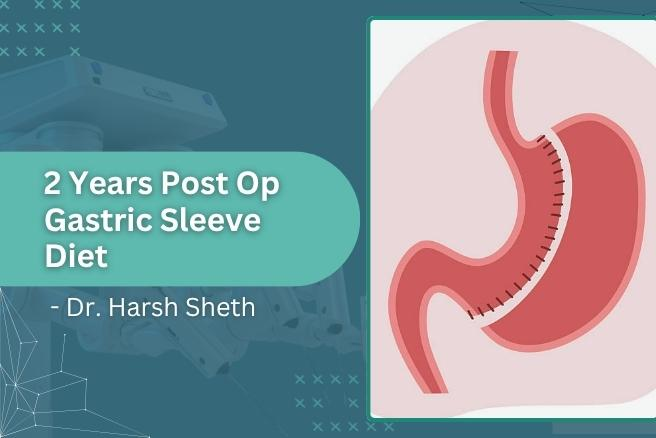
Many patients begin to feel more comfortable with food at this stage, which can sometimes lead to relaxed discipline. This is why following a structured, nutrient-rich diet remains essential even after 2 years to prevent weight gain and ensure long-term health.
Gastric sleeve surgery is a powerful tool, but long-term success depends on how well patients adapt their eating habits and lifestyle over time,” says Dr. Harsh Sheth, a leading bariatric surgeon in Mumbai.
Slipping back into old habits?
Get a quick diet review with Dr. Harsh Sheth — Mumbai’s bariatric expert — before small mistakes become big regain.
What Happens 2 Years After Gastric Sleeve Surgery?
Most patients achieve maximum weight loss within 12–18 months of gastric sleeve surgery. After that, maintaining results becomes the priority. If you’re still exploring treatment options, you can read more about bariatric surgery to understand the full journey.
Key Diet Principles 2 Years Post Op
Prioritize Protein
Control Portions
Eat Mindfully
Stay Hydrated
Avoid Empty Calories
Best Foods to Eat 2 Years After Gastric Sleeve
Protein Sources
● Paneer, Greek yogurt
● Lentils and tofu
Healthy Fats
● Olive oil
● Avocados
Healthy Carbohydrates
● Fruits like apples and berries
● Vegetables like spinach and broccoli
Already gaining weight back? It’s reversible.
Early intervention works. Talk to Dr. Sheth about diet recalibration, GLP-1 support, or revision options.
Common Mistakes to Avoid
“Weight regain does not happen overnight; it is the result of small repeated choices. When you respect your body with the right habits, balanced meals, mindful portions and consistency you protect the results you worked so hard to achieve.” — Dr. Harsh Sheth
Weight Regain After 2 Years – Causes and Prevention
Causes
● Emotional eating
● Reduced physical activity
● Increased portion sizes
Prevention
● Exercise regularly (at least 30–45 minutes)
● Stay consistent with healthy eating
● Schedule regular follow-ups
Conclusion
Two years after gastric sleeve surgery, your success is driven by your habits, not the procedure itself. A high-protein diet, portion control, and mindful eating are key to maintaining your results.
With guidance from an experienced bariatric surgeon in Mumbai like Dr. Harsh Sheth, patients can continue to stay on track and achieve long-term health benefits. Consistency and discipline remain the foundation of lasting success.
Hit your 2-year mark? Book your follow-up.
In-person at Genese Clinic, Tardeo, or online consults pan-India with Dr. Harsh Sheth.
Frequently Asked Questions
1. Can I eat normal food 2 years after gastric sleeve?
2. How much should I eat at this stage?
3. Is weight regaining normal after 2 years?
4. Do I still need supplements?
5. Can my stomach stretch again?
6. Should I still consult my doctor?
Reference links:
https://share.google/nbB90WGbPl1SNtQog
https://share.google/7u0N41i1NkpSpy7Ur
Disclaimer: The information shared in this content is for educational purposes only and not for promotional use.
