

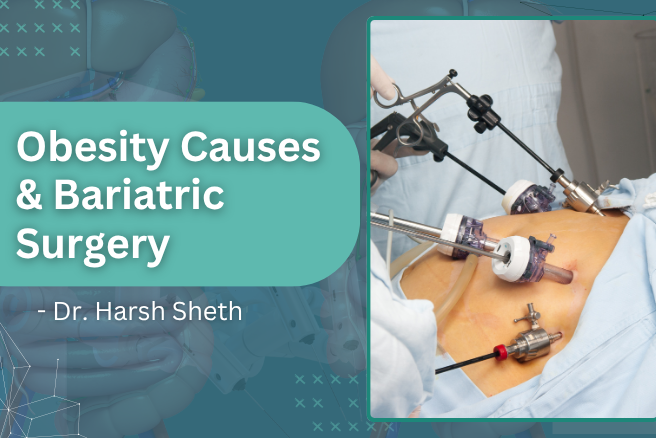
Obesity is not merely a number on the scale. It is a chronic metabolic disease that rarely presents in isolation type 2 diabetes, hypertension, sleep apnea, joint degeneration, and cardiovascular strain often develop alongside it. For patients who have already tried structured diets and exercise programmes without lasting results, bariatric surgery remains one of the few interventions with proven long-term efficacy.
The impact extends well beyond appearance. Excess adipose tissue disrupts hormonal balance, strains internal organs, and impairs metabolic function. Beyond diabetes, obesity is linked to fatty liver disease, infertility, certain cancers, and premature joint damage. The longer it goes untreated, the more difficult clinical management becomes.
According to Dr. Harsh Sheth, an experienced bariatric surgeon in Mumbai, Obesity is not a matter of willpower; it is a metabolic disease that requires a medical response. Bariatric surgery is not a shortcut, it is often the most effective and durable treatment available, particularly when diabetes, hypertension, or sleep apnea are already present.
What makes bariatric surgery distinct is its rapid metabolic effect. Blood glucose and blood pressure often improve well before significant weight loss occurs, indicating that the procedure alters how the body regulates appetite, nutrients, and hormones not just stomach capacity.
So what drives obesity, what does it do to the body over time, and where does weight loss surgery in Mumbai fit into treatment? Let’s take a closer look.
Problems Stemming from Obesity
The WHO calls it for what it is. A chronic, relapsing disease. Not a habit. Definitely not a willpower issue. Sure, weight alone isn’t the whole health story, fair point, but population data has been screaming the same thing for decades. People in the obese range tend to live shorter. And day-to-day quality often takes a real hit too. That’s where guidance from an experienced bariatric specialist becomes important.
Healthy weight beats overweight. Overweight beats obese. Simple as that. It isn’t an opinion either, fifty years of solid research keeps backing it up. Deaths tied to obesity-linked illness, almost every one of them preventable, just keep climbing year after year. That’s the part doctors who treat obesity medically really can’t look past.
Health Problems Caused by Obesity
These are the ones most often seen in patients carrying long-term excess weight, and each one is a regular reason people walk into a bariatric clinic:
Joint pain:
Extra weight means extra load. Every joint feels it, every step. Knees take the worst beating. Hips and the lower back follow soon after. Cartilage thins faster than it should. Arthritis sneaks in early. And stairs start feeling like a workout. Some patients end up needing canes or walkers a good ten years before their time, which is often when a weight loss surgery consultation enters the picture.
Difficulty breathing:
Fat doesn’t only sit on the surface. It pushes up against the diaphragm. Crowds the chest. Lungs lose the room they need to expand. Even small bits of effort feel huge after a point. Patients often say climbing one floor leaves them out of breath, or that walking from the parking lot to the door has them puffing both classic signs an obesity specialist hears every week.
Sleep apnea:
Fat builds up around the neck and starts pinching the airway shut during sleep. Breathing stops. Sometimes hundreds of times a night. Oxygen levels drop with every pause. Over years, this drives up the risk of stroke, irregular heartbeats, and that constant tired feeling through the day. CPAP machines do help. But they’re managing the problem, not really fixing it, which is why many patients eventually explore surgical options for obesity.
Health Risks Associated with Obesity
The conditions above hit hard and they hit fast. The ones below build up quietly, year after year, often with no warning at all and they’re exactly what a bariatric surgeon screens for in every workup:
High blood pressure: Obesity drives blood pressure up through several routes at once. More blood volume to push around. Stiffer arteries. A hormonal mess the kidneys can barely keep on top of. With time, the arteries take the hit. And the chances of heart attack, stroke, and kidney failure go up steeply. A metabolic surgery assessment often picks up on these risks early.
Type 2 diabetes mellitus: This one almost shows up by default. Visceral fat, the kind packed around the organs, slowly stops cells from listening to insulin. Once that breaks, sugar levels run wild. Pills become a daily fixture. Fat tissue also pumps out inflammatory signals, and that just makes the resistance worse. From there, it’s a short slide into type 2 diabetes, and a strong case for talking to a diabetes and obesity surgeon.
Obesity-Related Conditions at a Glance
Condition | Primary Cause | Common Outcome |
Joint pain | Mechanical load on cartilage | Osteoarthritis, reduced mobility |
Sleep apnea | Airway compression by fat | Disrupted sleep, cardiac strain |
Hypertension | Increased vascular resistance | Heart attack, stroke risk |
Type 2 diabetes | Insulin resistance from fat tissue | Chronic glucose dysregulation |
Fatty liver | Fat deposition in hepatocytes | Cirrhosis, liver failure |
Each of these conditions tends to improve significantly after surgery, which is why a thorough review with a qualified bariatric surgeon matters.
How Bariatric Surgery Helps?
Health Problems Caused by Obesity
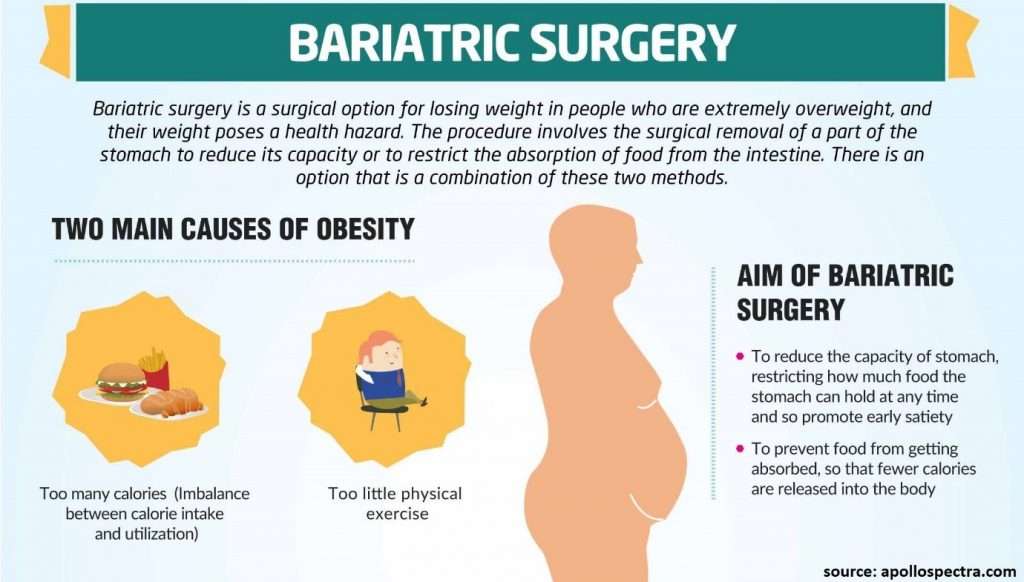
Bariatric surgery isn’t one operation. It’s a family of them. Gastric bypass, sleeve gastrectomy, mini gastric bypass, the intragastric balloon, every one of them works in its own way. The broad goal stays the same though. Reset the way the body deals with food, hunger, and energy.
The surgery does two jobs together, and both are explained in detail during a pre-surgery consultation:
Restriction: The stomach holds less, fullness shows up sooner, and smaller meals do the trick.
Metabolic modulation: Gut hormones shift, the way nutrients absorb changes, and insulin starts pulling its weight again.
Done in skilled hands and followed up properly, the changes can be striking. People walk again, this time without joint pain. They sleep through the night. And many come off blood pressure or diabetes pills entirely, all under their doctor’s watch, of course. That kind of outcome is what long-term bariatric care is built around.
The interesting bit, even partial weight loss can deliver real results. Sugar control often gets better within weeks, well before the body looks any different. That’s the hormonal magic of surgery, not just the calorie cut talking — and it’s one of the first things a metabolic surgery expert will walk you through.
For people in the severe obesity bracket, BMI of 35 and above with health problems already on the table, bariatric surgery usually comes up after diet, exercise, and medications haven’t moved the needle. Long-term studies are clear on this. The right candidates live longer. And live healthier after surgery. That’s the real story, and it’s why a proper evaluation by a bariatric surgeon is the right starting point.
If any of this rings true, for you or someone in the family, the smart first step is a proper consultation with Dr. Harsh Sheth. No commitments. No pressure. Just an honest, doctor-led chat about what’s possible.
Comparing Common Bariatric Surgery Procedures
Not every procedure suits every patient. The right pick comes down to BMI, whether diabetes or reflux are already in the picture, age, and personal goals. Here’s how the common options stack up in real practice, and what a bariatric surgery specialist will typically discuss:
Procedure | Mechanism | Average Excess Weight Loss | Best Suited For |
Sleeve Gastrectomy | Stomach reduced to a sleeve shape | 60 to 70 percent | BMI 35-45, low surgical risk profile |
Gastric Bypass | Stomach pouch with intestinal rerouting | 70 to 80 percent | Diabetes, severe reflux, BMI 40+ |
Mini Gastric Bypass | Single-anastomosis bypass | 70 to 75 percent | Metabolic syndrome, shorter operative time |
Intragastric Balloon | Temporary balloon in the stomach | 10 to 15 percent | BMI 27-35, non-surgical preference |
Revision Bariatric Surgery | Correction of previous procedure | Variable | Weight regain or post-op complications |
Picking the right one isn’t guesswork. Comes down to a proper pre-operative workup, BMI numbers, a check on existing health issues, dietary review, and an honest chat about readiness, both physical and mental. That’s exactly the kind of structured assessment a trusted bariatric surgeon carries out before recommending any procedure.
Why Choose Dr. Harsh Sheth for Bariatric Surgery in Mumbai?
Dr. Harsh Sheth is one of Mumbai’s most trusted bariatric and advanced laparoscopic surgeons. With over a decade of hands-on work behind him in obesity treatment and complex gastrointestinal cases, his practice covers the full spread of modern weight loss procedures, sleeve gastrectomy, gastric bypass, and revision bariatric surgery, all done laparoscopically and shaped around what each patient actually needs.
Every patient gets a thorough pre-op check, straight talk during counselling, and a follow-up plan that takes care of nutrition, medical care, and the day-to-day stuff that often slips through. He works out of Genese Clinic in Tardeo, Mumbai. He’s also part of major Indian and international bariatric and laparoscopic associations, so the standards followed match those at top global centres.
Frequently Asked Questions
Who is eligible for bariatric surgery?
Patients with a BMI of 35 plus an obesity-linked condition, or above 40 even without one, usually qualify, after diet and lifestyle steps haven’t worked.
How much weight can be lost after bariatric surgery?
Most patients drop 60 to 80 percent of their excess weight in 12 to 18 months, depending on the procedure and how well they stick to the post-op plan.
Does bariatric surgery cure type 2 diabetes?
A large share of patients see remission or sharp improvement, often within weeks, thanks to hormonal shifts that bring back insulin sensitivity.
Is bariatric surgery safe?
Done by an experienced surgeon at an accredited centre, it’s as routine and well-established as a gallbladder removal or hip replacement, with serious complications being uncommon
How long is the recovery period?
Most patients return to normal routines in two to three weeks, with full recovery and diet adjustment wrapping up over three to six months.
Refrences
- World Health Organization – Obesity and Overweight Fact Sheet: https://www.who.int/news-room/fact-sheets/detail/obesity-and-overweight
- National Institute of Diabetes and Digestive and Kidney Diseases – Bariatric Surgery: https://www.niddk.nih.gov/health-information/weight-management/bariatric-surgery
